
Printing and Packaging: Turning Your Brand Identity Into a Powerful Physical Experience
In a digital-first world, brands often focus heavily on websites, social media, and online advertising. But when a customer holds your product in their hands, printing and packaging become the physical representation of your brand.
From business cards and brochures to product boxes, labels, shopping bags, and promotional materials, every printed element communicates something about your business. Good printing and packaging can make a product look professional, reinforce brand identity, and create a memorable experience for customers.
What Is Printing and Packaging?
Printing involves transferring your brand’s visual elements—such as logos, colors, typography, images, and marketing messages—onto physical materials.
Packaging is the physical presentation and protection of a product. It can include boxes, pouches, wrappers, bottles, labels, containers, and other customized materials.
When these two elements work together, they create a consistent brand experience that connects your visual identity with the customer’s real-world experience.
Why Printing and Packaging Matter for Branding
A brand is more than just a logo. It is the complete impression people develop when they interact with a business.
Professional printing and packaging help bring that identity into the physical world.
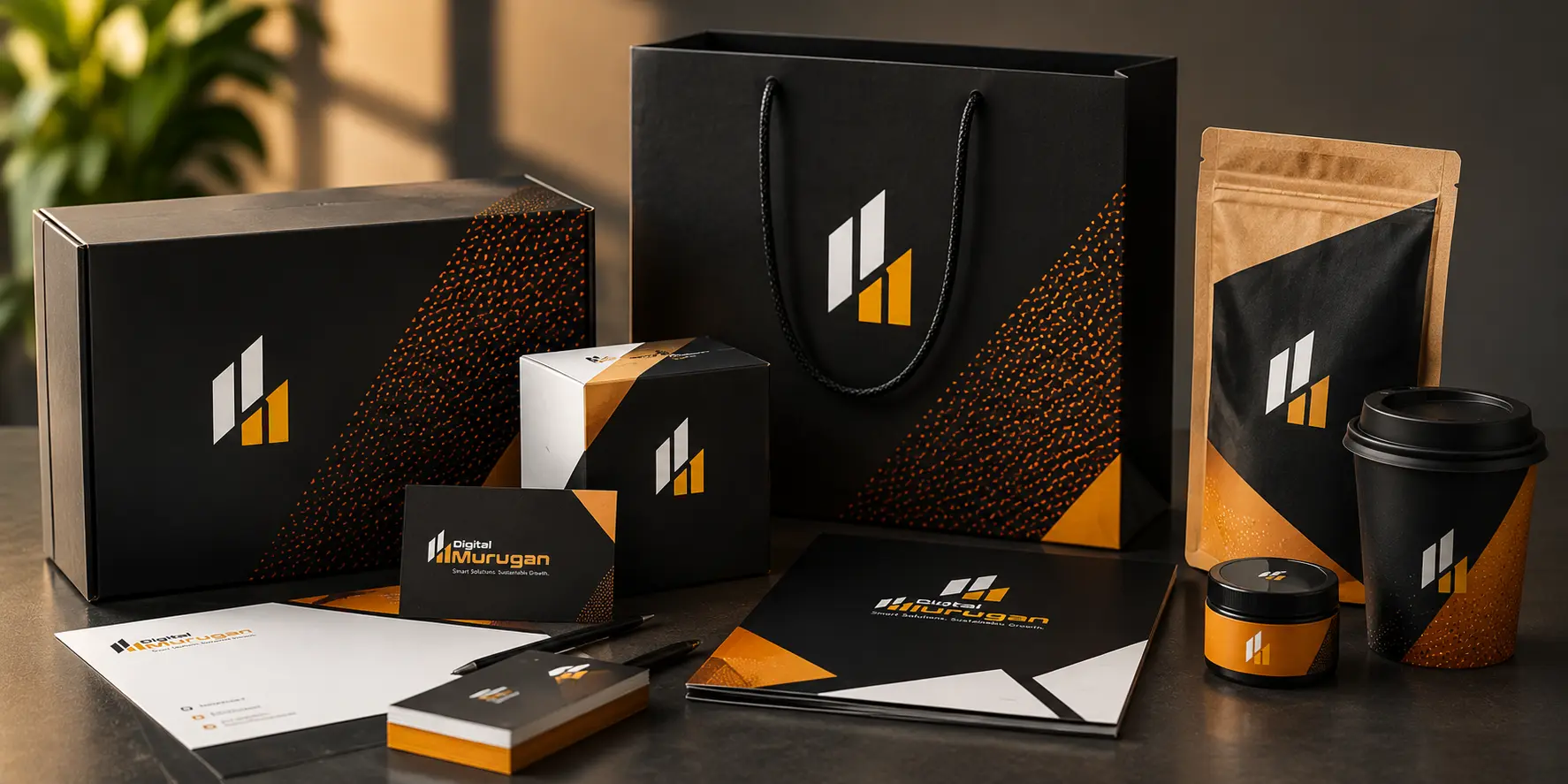
1. Creates a Strong First Impression
Packaging is often one of the first things customers notice about a physical product.
A well-designed package with high-quality printing can immediately communicate professionalism and attention to detail. On the other hand, poor-quality printing or confusing packaging can make even a good product appear less trustworthy.
Your packaging should answer an important question:
“What does this brand stand for?”
2. Builds Brand Recognition
Consistent use of your brand colors, logo, typography, imagery, and design style helps customers recognize your business more easily.
For example, when the same visual identity appears across:
- Product packaging
- Business cards
- Brochures
- Labels
- Shopping bags
- Flyers
- Promotional materials
customers begin to associate those visual elements with your brand.
Over time, this consistency can help strengthen brand recall.
3. Makes Products Stand Out
Customers are surrounded by products competing for attention.
Creative packaging can help your product stand apart from similar products on shelves, in stores, or during delivery.
Unique shapes, thoughtful layouts, attractive graphics, quality finishes, and clear product information can make packaging more visually appealing while keeping the brand message clear.
The goal isn’t simply to make packaging attractive. It should make the product recognizable and relevant to the right audience.
4. Communicates Your Brand Story
Packaging provides valuable space to communicate with customers.
Depending on the product, packaging can include:
- Brand story
- Product information
- Instructions
- Ingredients
- Benefits
- Contact details
- Website or social media information
- Sustainability information
- Brand messages
This turns packaging into more than a protective covering. It becomes a communication tool.
5. Creates a Memorable Customer Experience
Opening a well-designed package can become part of the overall customer experience.
From the exterior design to the label, typography, colors, and finishing details, every element can contribute to how customers perceive the product.
For businesses that sell online, packaging can be especially important because it may be the customer’s first physical interaction with the brand after purchasing.
A memorable package can encourage customers to remember the brand and potentially share their experience with others.
Different Types of Printing and Packaging
Businesses can use different printing and packaging solutions depending on their products, target audience, industry, and budget.
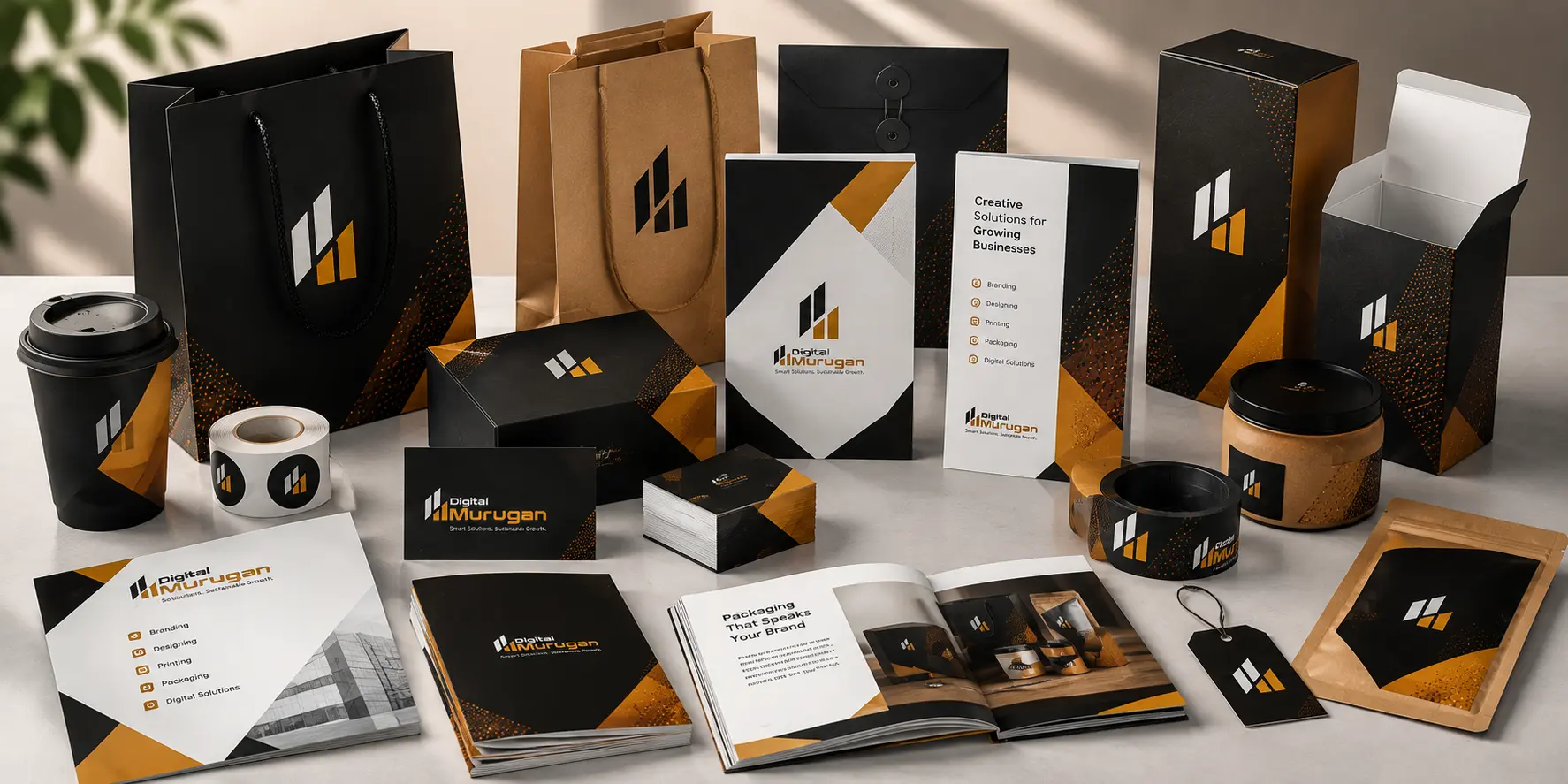
Business Printing
Common business printing materials include:
- Business cards
- Brochures
- Flyers
- Catalogues
- Posters
- Letterheads
- Envelopes
- Promotional materials
These materials help businesses maintain a professional identity across offline communications.
Product Printing
Product-related printing can include:
- Product labels
- Stickers
- Tags
- Sleeves
- Branded inserts
- Instruction cards
These elements provide product information while reinforcing the overall brand identity.
Custom Packaging
Custom packaging can include:
- Product boxes
- Printed pouches
- Bags
- Wrappers
- Containers
- Shipping boxes
- Gift packaging
Custom packaging allows businesses to create designs specifically suited to their products and customers.
The Importance of Consistent Design
One of the biggest mistakes businesses make is treating every printed material as a separate design project.
Your business card may use one color scheme, your packaging another, and your promotional materials a completely different style.
This can weaken brand recognition.
A stronger approach is to establish clear brand guidelines covering:
Logo + Colors + Typography + Imagery + Layout + Messaging
These elements should work together across both digital and physical touchpoints.
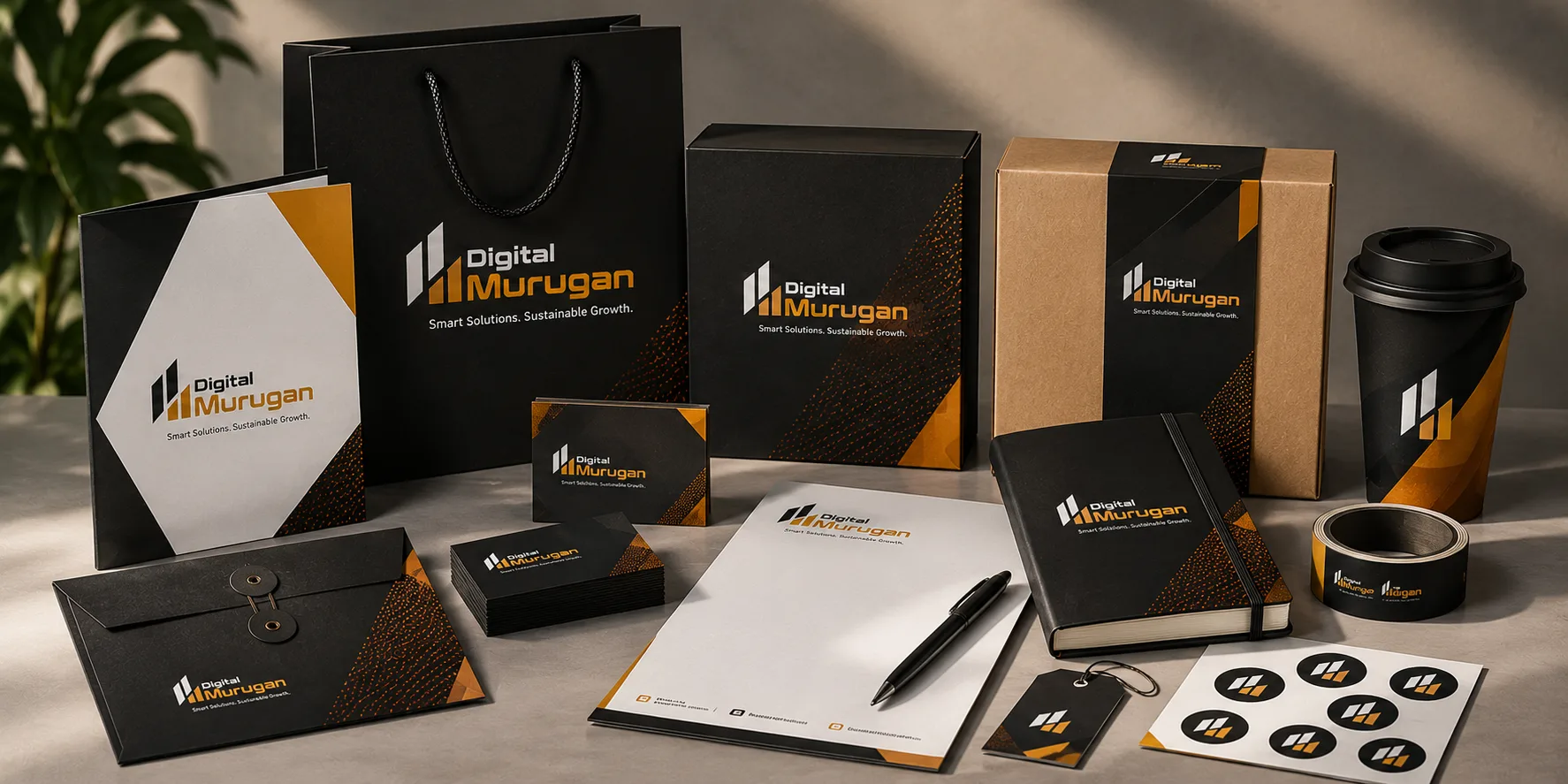
When customers see your packaging, website, advertisements, and printed materials, they should feel like they are interacting with the same brand.
Choosing the Right Printing and Packaging Design
Before creating a printing or packaging design, businesses should consider several factors
Understand Your Audience
The design should reflect the expectations and preferences of your target customers.
Focus on Functionality
Packaging should not only look good. It should also protect the product, provide necessary information, and be practical to use.
Prioritize Readability
Important information should be easy to find and understand. Attractive design should never come at the cost of clarity.
Maintain Brand Consistency
Use your established brand identity throughout the design so customers can easily recognize your business.
Consider Material and Finishing
Different materials and finishing options can create different visual and physical experiences. The right choice depends on the product, purpose, and budget.
Printing and Packaging as a Marketing Tool
Printing and packaging shouldn’t be viewed only as production expenses.
They can also function as marketing assets.
A branded package can travel beyond the original customer. A shopping bag carried through a public space, a product photographed for social media, or a package shared in an unboxing video can expose the brand to additional people.
This means effective packaging can continue communicating your brand even after the initial purchase.
The Future of Printing and Packaging
The printing and packaging industry continues to evolve alongside changing consumer expectations.
Businesses are increasingly exploring:
- Sustainable packaging materials
- Minimalist designs
- Custom packaging
- Interactive packaging
- QR-code integration
- Personalized printing
- Premium finishing techniques
- Technology-driven packaging experiences
The future is not simply about producing attractive packaging. It is about creating purposeful, recognizable, and engaging brand experiences.
Conclusion
Printing and packaging are powerful extensions of your brand identity. They transform digital designs and brand strategies into something customers can physically see, touch, and experience.
Whether you’re launching a new product, refreshing an existing brand, or improving your marketing materials, professional printing and thoughtful packaging can help create a stronger and more consistent brand presence.
Great branding shouldn’t stop on the screen. It should continue wherever your customers interact with your business.
With the right combination of creative design, quality printing, strategic packaging, and consistent branding, businesses can turn ordinary physical materials into meaningful brand experiences.
 Previous Post
 Next Post