
The Art of Connection: How Creative Design Builds Customer Loyalty
In a crowded digital marketplace, attracting customers is only the beginning. The real challenge is giving people a reason to remember your brand, trust it, and come back again.
This is where creative design plays an important role.
Design is more than choosing attractive colors, fonts, images, or layouts. Good design communicates a brand’s personality, creates an emotional connection, and makes every interaction feel intentional. When customers consistently experience a brand that looks professional, feels familiar, and communicates clearly, they are more likely to develop trust and loyalty.
In other words, creative design can turn ordinary customer interactions into memorable brand experiences.
What Is Creative Design?
Creative design is the process of combining visual elements, ideas, storytelling, and functionality to communicate a message effectively.
It can appear across almost every part of a business, including:
- Logo and brand identity
- Website design
- Social media graphics
- Advertising creatives
- Packaging
- Brochures and promotional materials
- Presentation design
- Digital campaigns
- Product visuals
- Customer interfaces
The strongest creative design does not simply make something look good. It helps customers understand who the brand is, what it offers, and why they should care.
Why Design Matters to Customer Loyalty
Customers interact with brands visually before they fully understand what those brands offer.
A website, advertisement, social media post, package, or storefront can create an immediate impression. If the experience feels confusing, outdated, or inconsistent, customers may lose interest.
On the other hand, thoughtful design can create a sense of confidence.
A consistent visual identity helps customers recognize a brand across different platforms. Over time, this familiarity can make the brand feel more trustworthy and memorable.
Design Creates Recognition
Think about the brands you can identify almost instantly from their colors, typography, packaging, or visual style.
That recognition does not happen by accident.
Consistent design elements help build a visual identity that customers can associate with a particular business. When customers repeatedly encounter the same visual language, the brand becomes easier to remember.
This recognition becomes especially valuable when customers are deciding between multiple businesses offering similar products or services.
Emotional Connection Is More Powerful Than Appearance
Great design does not only communicate information. It can also influence how people feel.
A carefully designed visual can create feelings of:
- Trust
- Excitement
- Comfort
- Curiosity
- Confidence
- Premium quality
- Reliability
For example, a healthcare brand may use clean and reassuring visuals to create a sense of confidence, while a creative agency may use bold and expressive design to communicate innovation.
The goal is not simply to make a design attractive. The goal is to make the visual experience appropriate for the brand and meaningful to its audience.
Consistency Builds Familiarity
Imagine visiting a company’s website and seeing one visual style, then visiting its social media page and finding a completely different style.
The business may still offer excellent products or services, but the inconsistent presentation can make the brand feel less established.
Brand consistency helps solve this problem.
Your logo, colors, typography, imagery, layouts, and communication style should work together across different touchpoints.
This creates a recognizable brand experience across:
Website → Social Media → Advertising → Packaging → Offline Materials → Customer Experience
When customers see consistency everywhere, the brand becomes easier to recognize and remember.

Creative Design Makes Brands Easier to Understand
Good design is also about communication.
A customer should not have to work hard to understand what a business does or what action they should take.
A well-designed website, advertisement, or promotional graphic can guide attention toward the most important information.
For example, effective design can help customers quickly identify:
- What the business offers
- Who the service is for
- What makes the brand different
- Why the customer should choose it
- What action to take next
This combination of creativity and clarity can make the customer journey much smoother.
Design Can Turn a Business Into a Story
People often remember stories better than isolated information.
Creative design gives businesses an opportunity to tell their story visually.
Instead of simply saying that a brand is innovative, trustworthy, sustainable, premium, or customer-focused, design can communicate those qualities through imagery, typography, color, composition, and visual storytelling.
Every visual becomes part of the larger brand story.
Your website tells one chapter.
Your social media tells another.
Your packaging, advertisements, and promotional materials continue the story.
When all of these elements feel connected, customers experience the brand as a complete identity rather than a collection of unrelated designs.
The Role of Creative Design in Digital Experiences
Today, customers may interact with a business through several digital platforms before making a decision.
They might:
- Discover the brand through social media.
- Visit the website.
- View products or services.
- Read reviews.
- Compare alternatives.
- Contact the business.
- Make a purchase.
- Return later for another interaction.
Every one of these moments is an opportunity to strengthen the relationship.
A creative digital experience can make these interactions more enjoyable and easier to navigate.
This is why website design, social media design, digital advertising, and visual branding should not be treated as completely separate activities. Together, they contribute to the customer’s overall perception of the brand.
Design Should Support Function, Not Replace It
Beautiful design alone cannot create customer loyalty.
A website can look impressive but still frustrate visitors if it loads slowly, has confusing navigation, or makes important information difficult to find.
Similarly, an attractive advertisement will have limited impact if the message is unclear.
Effective creative design balances beauty, clarity, usability, and purpose.
The best design asks two questions:
Does it look good?
and
Does it work well for the customer?
When both answers are yes, design becomes much more powerful.
Personalization Makes the Connection Stronger
Modern customers increasingly expect experiences that feel relevant to them.
Creative design can support personalization by adapting content, visuals, offers, and communication to different audiences.
For example, a brand might create different campaign visuals for different customer groups while maintaining the same core identity.
This allows businesses to communicate personally without losing brand consistency.
The result can be a customer experience that feels more relevant and intentional.
Great Design Creates Memorable Moments
Customer loyalty is often influenced by small details.
A memorable website interaction.
A beautifully designed package.
A creative social media post.
A thoughtful email graphic.
A well-designed promotional campaign.
These individual moments may seem small, but together they shape how customers remember a brand.
When customers repeatedly experience positive and memorable interactions, the brand becomes more than a company selling a product or service. It becomes a familiar presence they recognize and trust.
How Businesses Can Use Creative Design to Build Loyalty
Building loyalty through design does not require changing everything at once. Start by creating a clear visual strategy.
1. Define Your Brand Personality
Decide how you want customers to perceive your brand.
Should it feel:
- Modern?
- Professional?
- Friendly?
- Premium?
- Creative?
- Reliable?
- Innovative?
Your design choices should reflect that personality.
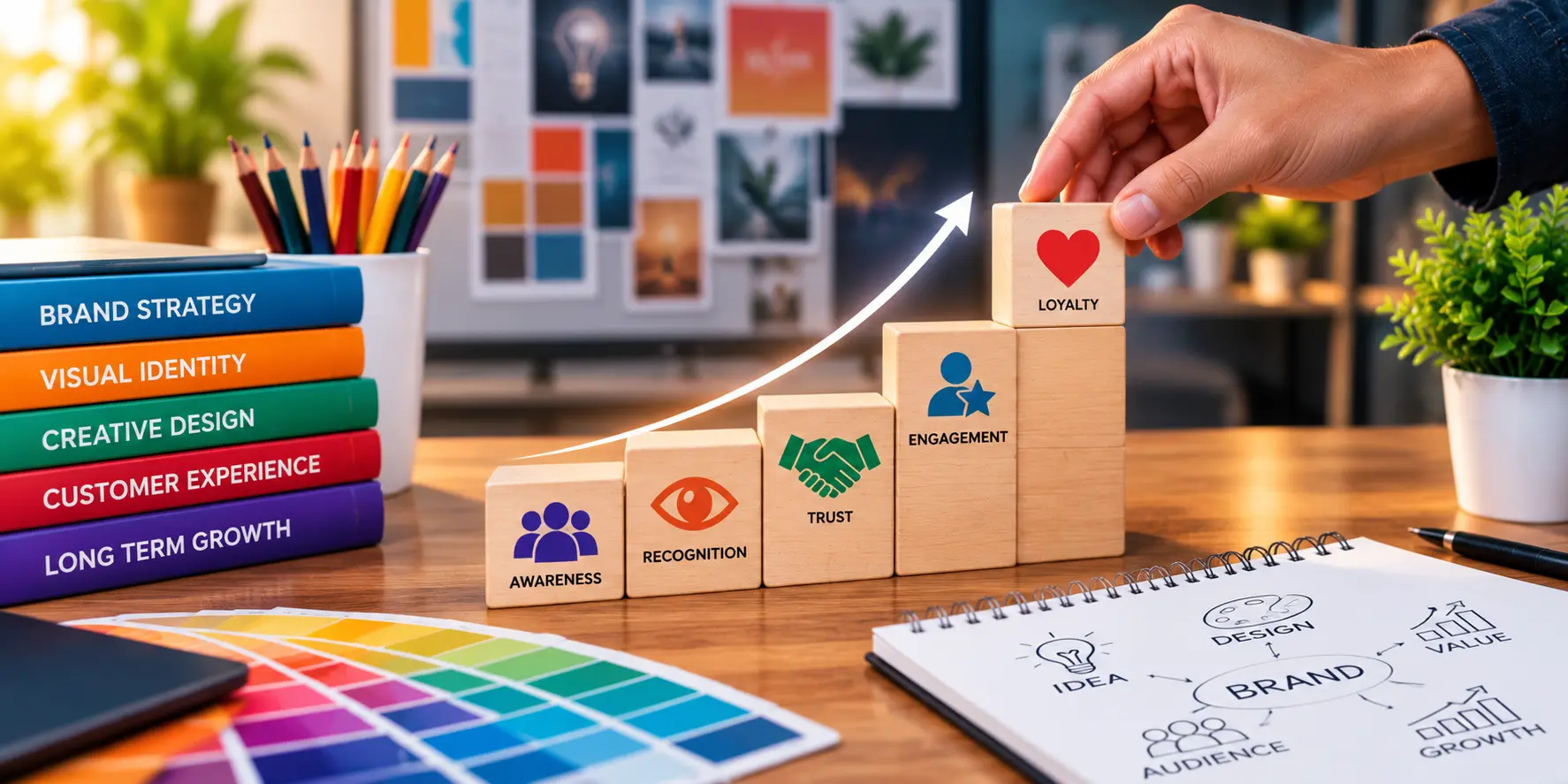
2. Create a Consistent Visual Identity
Establish clear guidelines for your logo, colors, typography, imagery, layouts, and other visual elements.
Consistency makes your brand easier to recognize.
3. Design Around Your Audience
Do not design only according to personal preferences.
Think about your customers.
What attracts their attention? What information do they need? What problems are they trying to solve?
Design should make the customer experience easier and more relevant.
4. Focus on Every Touchpoint
Look beyond the website.
Review your:
- Social media
- Advertisements
- Packaging
- Business cards
- Presentations
- Promotional materials
- Email graphics
- Digital campaigns
Every customer interaction contributes to your brand experience.
5. Keep Improving
Customer expectations change.
Technology changes.
Design trends change.
Your brand should continue improving while maintaining its core identity.
Regularly reviewing your creative assets can help ensure that your visual communication remains relevant and effective.
The Future of Creative Design
Creative design is evolving rapidly with technologies such as artificial intelligence, interactive experiences, personalization, motion graphics, and immersive digital environments.
These technologies give businesses new ways to communicate with customers.
However, technology itself is not the key to successful design.
The real goal remains the same:
Create meaningful experiences that customers understand, remember, and value.
The brands that succeed will be those that combine technology with creativity, strategy, and a genuine understanding of their audience.
Final Thoughts
Customer loyalty is built through more than products, services, or promotional offers. It grows through repeated experiences that make customers feel confident and connected to a brand.
Creative design helps create those experiences.
From the first advertisement a customer sees to the website they visit and the packaging they receive, every visual interaction contributes to the relationship.
Good design gets attention. Great design creates connection.
When businesses use creativity with purpose, consistency, and customer understanding, design becomes more than decoration. It becomes a powerful tool for building recognition, trust, memorable experiences, and long-term customer relationships.
For a brand that wants to stand out in a competitive digital environment, the art of connection begins with how you make people feel when they experience your brand.
 Previous Post