Trending Packaging Solutions: Modern Ideas That Make Products Stand Out
Packaging is no longer just about protecting a product during transportation. It has become an important part of branding, customer experience, and product presentation. A well-designed package can attract attention, communicate brand values, and influence purchasing decisions.
As customer expectations continue to change, businesses are exploring new packaging solutions that combine functionality, attractive design, sustainability, and brand identity.
From minimalist packaging to smart labels and eco-conscious materials, several packaging trends are shaping the way products are presented today.
1. Sustainable Packaging
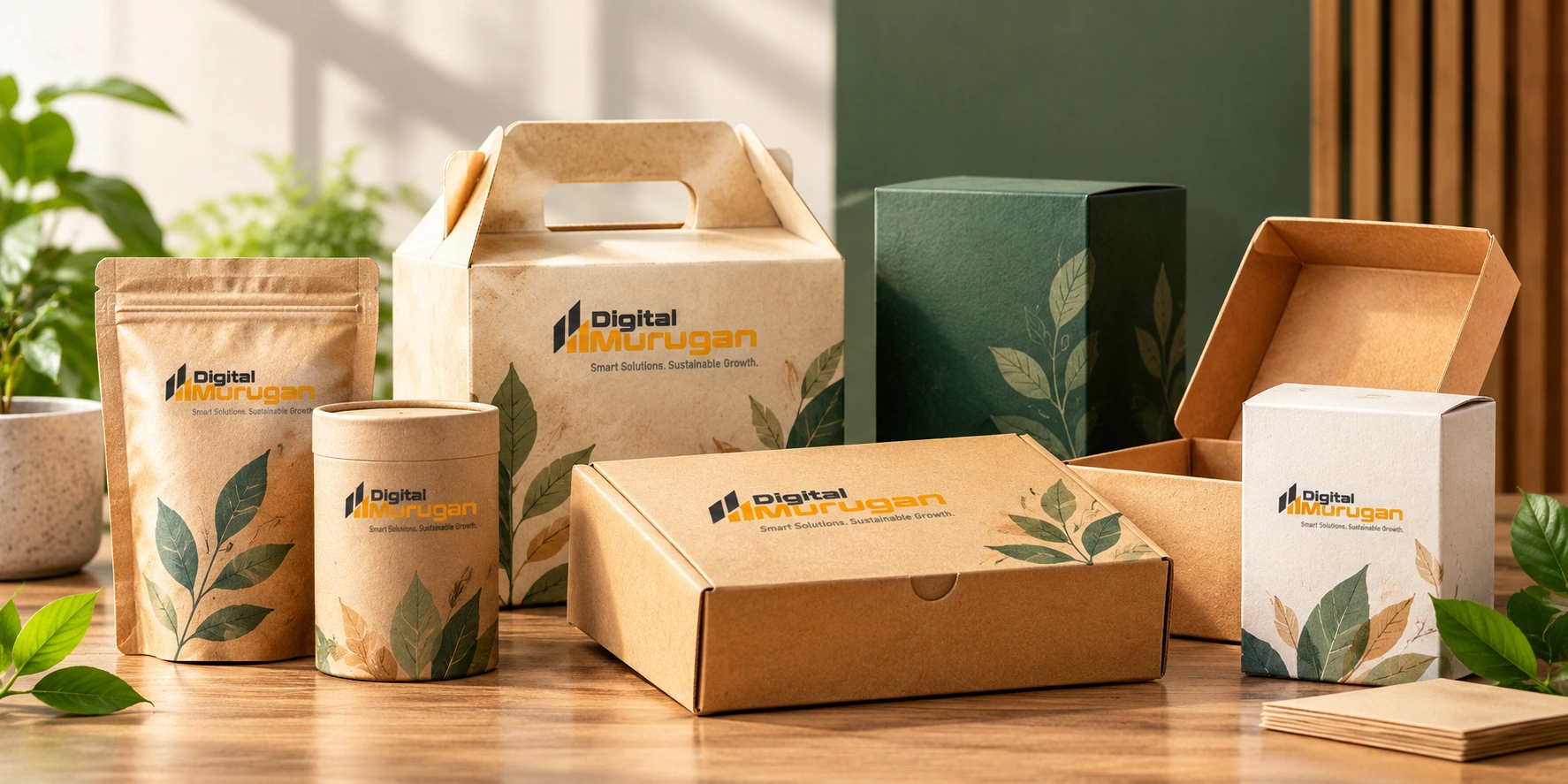
Sustainability has become one of the most important considerations in modern packaging.
Businesses are increasingly looking for packaging materials that reduce unnecessary waste and have a lower environmental impact. Recyclable paper, cardboard, reusable containers, and other responsibly selected materials are becoming popular alternatives for many applications.
Sustainable packaging can also strengthen a brand’s image by showing customers that environmental responsibility is part of the company’s values.
Popular sustainable packaging approaches
- Recyclable materials
- Reusable packaging
- Reduced packaging layers
- Paper-based alternatives
- Lightweight packaging
- Minimal use of unnecessary plastic
The goal is not simply to use less material but to design packaging that performs its purpose efficiently while reducing unnecessary waste.
2. Minimalist Packaging Design
Minimalism continues to influence modern packaging design.
Instead of filling every available space with graphics and information, minimalist packaging focuses on the most important elements. Clean layouts, simple typography, balanced spacing, and carefully selected colours can create a premium and professional appearance.
Minimalist packaging can help customers understand a product quickly while giving the brand a distinctive visual identity.
For example, a package may prominently feature the brand name, product category, one strong visual element, and essential information rather than using a crowded design.
3. Premium and Luxury Packaging
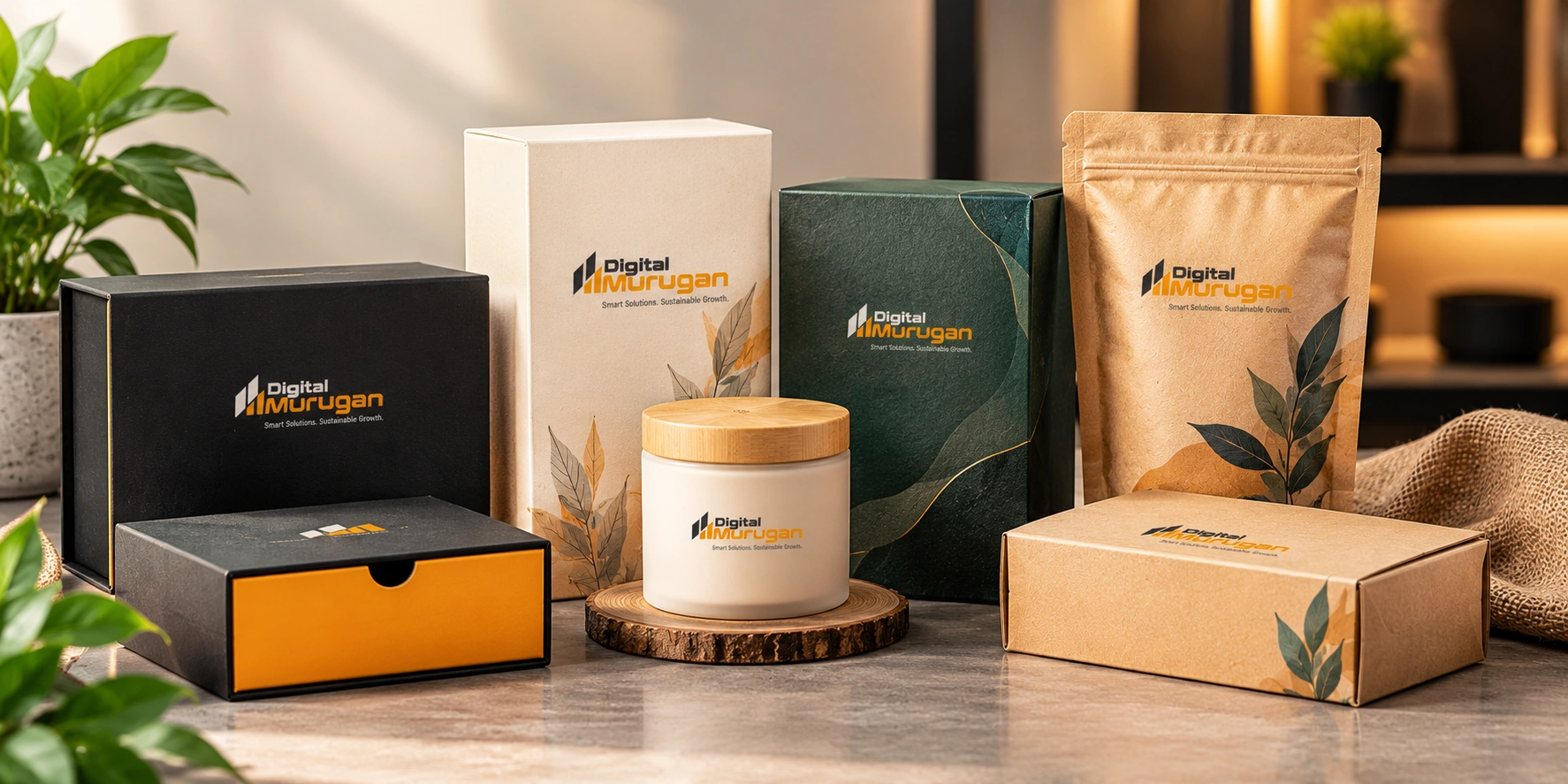
For premium products, packaging plays an important role in creating perceived value.
Luxury packaging often combines high-quality materials, refined printing techniques, sophisticated typography, and carefully designed finishing effects.
Common premium packaging elements include:
- Embossing and debossing
- Foil effects
- Spot UV finishing
- Textured papers
- High-quality rigid boxes
- Custom inserts
- Magnetic closures
These details can turn ordinary packaging into a memorable product experience.
4. Custom Packaging
Standard packaging may not always communicate a brand’s personality effectively. Custom packaging gives businesses greater control over the size, shape, materials, graphics, and overall presentation of their products.
Custom packaging can be designed around the product itself rather than forcing the product into a standard container.
This approach can be particularly useful when a brand wants its packaging to create a recognizable identity across different products.
5. Smart Packaging and QR Codes
Technology is becoming an increasingly useful part of packaging.
QR codes can connect physical packaging with digital experiences. Customers can scan a code using their smartphone and access information such as product details, instructions, promotional offers, websites, videos, or additional brand content.
This creates an opportunity for packaging to become more than a physical container.
A simple package can effectively become a gateway to a brand’s digital experience.
6. Interactive Packaging
Interactive packaging focuses on creating engagement between the customer and the product.
Instead of simply presenting information, packaging can encourage customers to interact with the brand through QR codes, augmented-reality experiences, contests, digital content, or creative opening experiences.
Interactive elements can make packaging more memorable and encourage customers to spend more time engaging with the product.
7. Personalized Packaging
Personalization is another growing packaging approach.
Businesses can create packaging variations for different customer groups, seasonal campaigns, special occasions, or promotional activities.
Personalized packaging could include:
- Customer names
- Limited-edition designs
- Festival-themed packaging
- Special promotional messages
- Regional designs
- Event-specific packaging
When used strategically, personalization can make customers feel that the product experience has been created specifically for them.
8. Functional and Space-Saving Packaging
Modern packaging is increasingly being designed around convenience.
Customers often prefer packaging that is easy to open, store, carry, and use. Businesses are therefore exploring designs that provide functionality without adding unnecessary complexity.
Examples include:
- Easy-open boxes
- Resealable packaging
- Foldable packaging
- Stackable containers
- Compact designs
- Multi-purpose packaging
Good packaging should not only look attractive but should also make the customer’s experience easier.
9. Bold Typography and Strong Visual Identity
Packaging needs to attract attention quickly, especially when products compete for space on shelves or online marketplaces.
Bold typography, distinctive brand colours, strong illustrations, and recognizable visual elements can help a product stand out.
However, effective packaging is not about adding as many visual elements as possible. Every design element should support the brand and make the product easier to recognize.
10. Sustainable Printing Techniques
The packaging trend is also influencing printing decisions.
Businesses are paying greater attention to how packaging designs are printed and finished. Efficient printing processes, carefully selected inks, responsible material choices, and optimized designs can contribute to more sustainable packaging production.
The best approach depends on the product, packaging material, printing method, budget, and intended customer experience.
11. Flexible Packaging Solutions
Flexible packaging is becoming increasingly popular because it can provide convenience while using relatively lightweight materials.
Pouches, flexible bags, wraps, and other flexible formats can be designed for different product categories.
Their lightweight nature can also make transportation and storage more convenient.
For brands, flexible packaging offers opportunities for creative graphics and distinctive visual presentation.
12. Packaging Designed for E-Commerce
The growth of online shopping has changed packaging requirements.
Packaging designed for e-commerce needs to consider more than shelf presentation. Products may travel through multiple stages of handling before reaching the customer.
Therefore, packaging should provide sufficient protection while also creating a positive unboxing experience.
Important considerations include:
- Product protection
- Compact dimensions
- Secure closures
- Easy opening
- Brand presentation
- Shipping efficiency
- Recyclability
A thoughtfully designed e-commerce package can make the delivery experience feel like an extension of the brand.
Why Packaging Trends Matter for Businesses
Packaging is often one of the first physical interactions customers have with a product.
A strong packaging solution can help a business:
- Improve product presentation
- Strengthen brand recognition
- Create a better customer experience
- Communicate product information clearly
- Differentiate products from competitors
- Support marketing campaigns
- Improve customer engagement
- Build a more consistent brand identity
Packaging should therefore be considered part of the overall branding strategy rather than an isolated design task.
How to Choose the Right Packaging Solution
Not every packaging trend is suitable for every product.
Before selecting a packaging solution, businesses should consider several factors.
Product Requirements
The packaging must provide appropriate protection based on the product’s size, weight, fragility, shelf life, and handling requirements.
Target Customers
Packaging should reflect the expectations and preferences of the intended audience.
Brand Identity
Colours, typography, imagery, materials, and finishing should work together with the company’s existing brand identity.
Budget
Premium finishes and custom structures can increase production costs. The design should balance visual impact with practical production requirements.
Sustainability
Consider whether the selected materials and packaging structure can reduce unnecessary waste while still protecting the product.
Distribution Method
Packaging for retail shelves may require different considerations from packaging designed primarily for e-commerce or direct delivery.
The Future of Packaging
Packaging is moving toward a combination of design, technology, sustainability, and functionality.
Future packaging solutions are likely to focus increasingly on reducing unnecessary materials, improving convenience, creating digital connections, and delivering memorable brand experiences.
The most successful packaging will not simply make a product look attractive. It will communicate the brand, protect the product, improve usability, and create a meaningful experience for the customer.
Conclusion
Trending packaging solutions are changing the way businesses present their products. Sustainable materials, minimalist designs, premium finishes, personalized experiences, smart packaging, and e-commerce-focused solutions are becoming important parts of modern packaging strategies.
However, following a trend should never be the only objective. The right packaging solution should support the product, brand identity, customer experience, and business goals.
When packaging is thoughtfully designed and professionally produced, it can become much more than a protective layer—it can become a powerful part of the brand itself.
Looking to create packaging that combines strong branding, attractive design, and practical functionality? A well-planned packaging strategy can help your product make a stronger impression from the very first interaction.
 Previous Post
 Next Post