The Benefits of Using Digital Business Cards for Networking
Building strong professional relationships is an important part of business growth. Whether you are an entrepreneur, freelancer, business owner, or corporate professional, sharing your contact information effectively can help you create valuable connections. Digital business cards offer a modern and convenient way to introduce yourself, share your professional details, and stay connected with people you meet.
Unlike traditional paper cards, digital business cards allow you to share contact information through links, QR codes, and compatible digital sharing methods. They can also connect people to your website, portfolio, and professional social media profiles.
As networking increasingly takes place both online and in person, digital business cards provide a practical solution for professionals who want to make sharing information easier and maintain a consistent professional identity.
What Are Digital Business Cards?
Digital business cards are electronic versions of traditional business cards that contain professional and contact information. They typically include your name, job title, company name, phone number, email address, and website.
Depending on the platform, you can also include your company logo, profile photo, social media links, portfolio, and appointment-booking options. This gives people more ways to learn about your professional background and services.
Digital business cards can be shared through messaging applications, email, QR codes, and direct links. Some platforms also support contactless sharing through compatible devices.
Why Are Digital Business Cards Useful for Networking?
Networking involves more than exchanging contact details. It is about creating relationships, introducing your work, and making it easier for people to reach you after an initial conversation.
Digital business cards simplify this process by bringing essential information together in one accessible format. Instead of manually entering contact details, recipients can open your card and use the information or links provided.
They are particularly useful at conferences, business meetings, trade shows, professional events, and virtual networking sessions. By making information easier to access, digital business cards help professionals focus more on conversations and relationship-building.
Key Benefits of Using Digital Business Cards for Networking
1. Instant and Convenient Contact Sharing
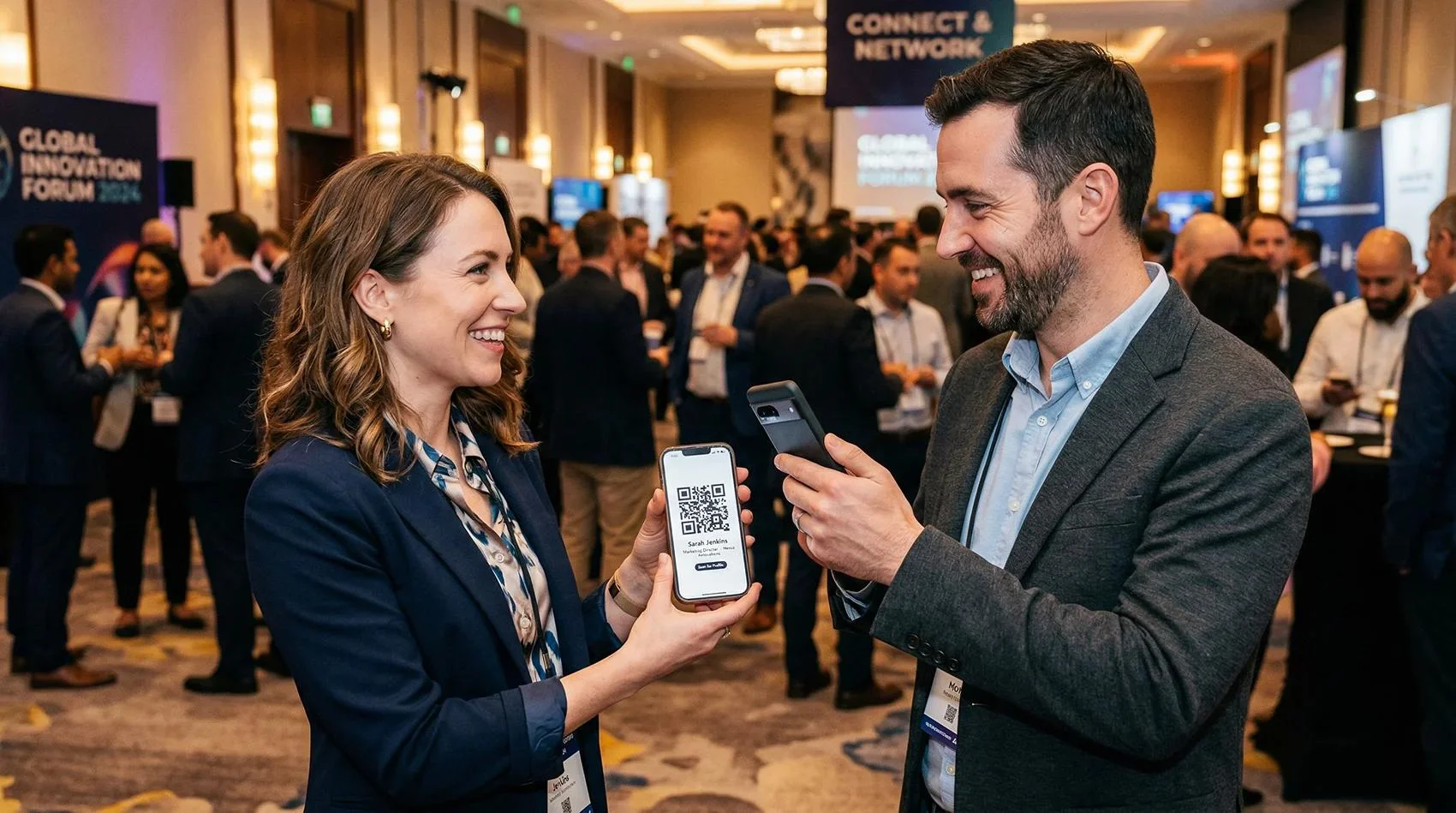
One of the main benefits of digital business cards is the ability to share your professional details quickly. You can send a card link, display a QR code, or use another supported sharing method.
This convenience is useful when meeting potential customers, collaborators, employers, or business partners. It also makes exchanging information during online meetings easier because you can share your card directly through a chat or email.
2. A Stronger Professional Identity
First impressions can influence how people perceive your business or professional services. A well-designed digital business card allows you to present your name, role, company, and contact details in an organized way.
You can also include relevant links to your website, portfolio, or professional profiles. These additions help people understand what you do and explore your work after the conversation ends.
Consistent branding, readable text, and a clean design can make your digital business card look professional and memorable.
3. Easy Access to Your Contact Information
Digital business cards make it easier for people to find the information they need without carrying a physical card. Recipients can access your shared details from their devices and follow the available contact links.
Depending on the platform, they may be able to save your contact information, visit your website, or connect with you through a professional social media account.
This accessibility can reduce friction when someone wants to follow up after a meeting or networking event.
4. Simple Updates to Professional Details
Professional information can change over time. You might move to a new company, update your phone number, launch a website, or introduce a new service.
With platforms that support editable digital cards, you can update your information without printing a new batch of cards. If you share a persistent card link, people who revisit it may see the updated details.
This makes digital business cards a practical option for professionals who want to keep their contact information current.
5. Better Opportunities for Follow-Up
Successful networking often depends on what happens after the first conversation. Digital business cards can make follow-up easier by providing direct access to your contact details and relevant online resources.
For example, a potential customer can visit your website, a recruiter can review your portfolio, or a business partner can explore your services.
Some platforms offer additional features, such as appointment scheduling or contact management. Choosing the right features can help you turn initial introductions into meaningful professional relationships.
6. Convenient Networking at Events
Conferences, exhibitions, workshops, and business meetings bring together people from different industries. Exchanging paper cards with many contacts can become difficult to manage.
Digital business cards offer another way to share information quickly at these events. A QR code or shareable link allows participants to access your details without needing a printed card.
This approach can be especially convenient for professionals who attend networking events frequently or connect with people across different locations.
7. Reduced Dependence on Paper Cards
Digital business cards provide an alternative to printing physical cards. They can help reduce repeated printing when information changes and make it easier to share details without carrying additional materials.
Although the environmental impact depends on how the digital service is operated and used, digital sharing can support a less paper-dependent networking process.
8. More Ways to Showcase Your Business
Traditional business cards have limited space for information. Digital business cards can connect people to additional resources without overcrowding the main design.
You can include links to product pages, service descriptions, online portfolios, booking pages, and social media accounts. These resources help potential customers discover more about your business at their own pace.
By connecting your contact details with your online presence, a digital business card can become a useful starting point for further engagement.
Who Should Use Digital Business Cards?
Digital business cards can benefit professionals and organizations across many industries.
- Entrepreneurs and business owners: Share company information and connect with prospective customers, suppliers, and partners.
- Freelancers and consultants: Present services, portfolios, and contact details in one convenient place.
- Sales and marketing professionals: Exchange information with prospects and support follow-up conversations.
- Corporate employees: Share professional details while maintaining consistent company branding.
- Job seekers: Make it easier for recruiters and industry contacts to access relevant professional profiles.
- Event participants: Exchange information during conferences, exhibitions, workshops, and other professional gatherings.
Anyone who regularly introduces themselves or their business to new people may find digital business cards useful.

How to Make Your Digital Business Card More Effective
Creating a digital business card is only the first step. To make it useful for networking, focus on the quality of its information and the experience it provides.
Keep Your Information Clear and Accurate
Include the details people need to contact you, such as your name, professional title, email address, and business website. Review these details regularly and update them when necessary.
Use a Professional Design
Choose a layout that reflects your personal or company branding. Use readable fonts, appropriate colors, and a simple structure so visitors can find important information easily.
Add Relevant Links
Include useful destinations such as your website, portfolio, professional social profiles, or service pages. Make sure every link works correctly and leads to relevant information.
Make Sharing Easy
Choose a platform that offers convenient sharing options, such as a QR code or direct link. Test the card on different devices to make sure recipients can access it easily.
Follow Up After Networking
A digital business card helps people exchange information, but relationships still require communication. After meeting someone, consider sending a polite message that refers to your conversation and explains how you might stay in touch.
Digital Business Cards vs. Traditional Business Cards
Both formats can be useful for professional networking, and the best choice depends on your audience and situation.
Traditional business cards offer a physical item that people can exchange and keep. Digital business cards provide convenient sharing, links to online resources, and the ability to update information on platforms that support editing.
Some professionals choose to use both formats. Printed cards can be helpful when someone prefers physical materials, while digital cards offer flexibility during online meetings, conferences, and everyday business communication.
The goal is to choose a method that makes connecting with others simple and appropriate for the occasion.
The Future of Digital Business Cards in Networking
As businesses continue to use digital communication tools, digital business cards are becoming a practical part of modern networking. Their ability to connect contact information with websites, portfolios, social profiles, and booking tools gives professionals more ways to introduce their work.
Future developments may bring additional personalization, contact-management features, and integrations with other business tools. However, the value of a digital business card will continue to depend on clear information, reliable access, and meaningful professional communication.
By using digital business cards thoughtfully, professionals can make sharing details more convenient while building connections that extend beyond a first meeting.
Conclusion
The benefits of using digital business cards for networking go beyond replacing printed cards. They offer convenient contact sharing, support a consistent professional identity, simplify updates, and provide direct access to important online resources.
For entrepreneurs, freelancers, corporate professionals, and business owners, digital business cards can make professional introductions easier and create more opportunities for follow-up.
A clear design, accurate information, and relevant links can help you get more value from your digital business card. Combined with genuine conversations and consistent communication, this modern networking tool can support stronger professional relationships.
Digital Murugan helps businesses strengthen their digital presence through practical digital solutions. Choosing the right digital tools can help you present your business professionally and create better opportunities to connect with your audience.
 Previous Post
 Next Post