What Digital Business Cards Are and Why They Matter
In today’s increasingly digital world, the way people exchange professional information is changing. Traditional business cards have long been a common networking tool, but digital business cards offer a more convenient and flexible way to share contact details. Instead of handing someone a physical card, professionals can share their information through a link, QR code, NFC-enabled device, or digital contact file.
What Is a Digital Business Card?
A digital business card is an online version of a traditional business card. It allows individuals and businesses to present their professional information in a digital format that can be accessed from a smartphone, tablet, or computer.
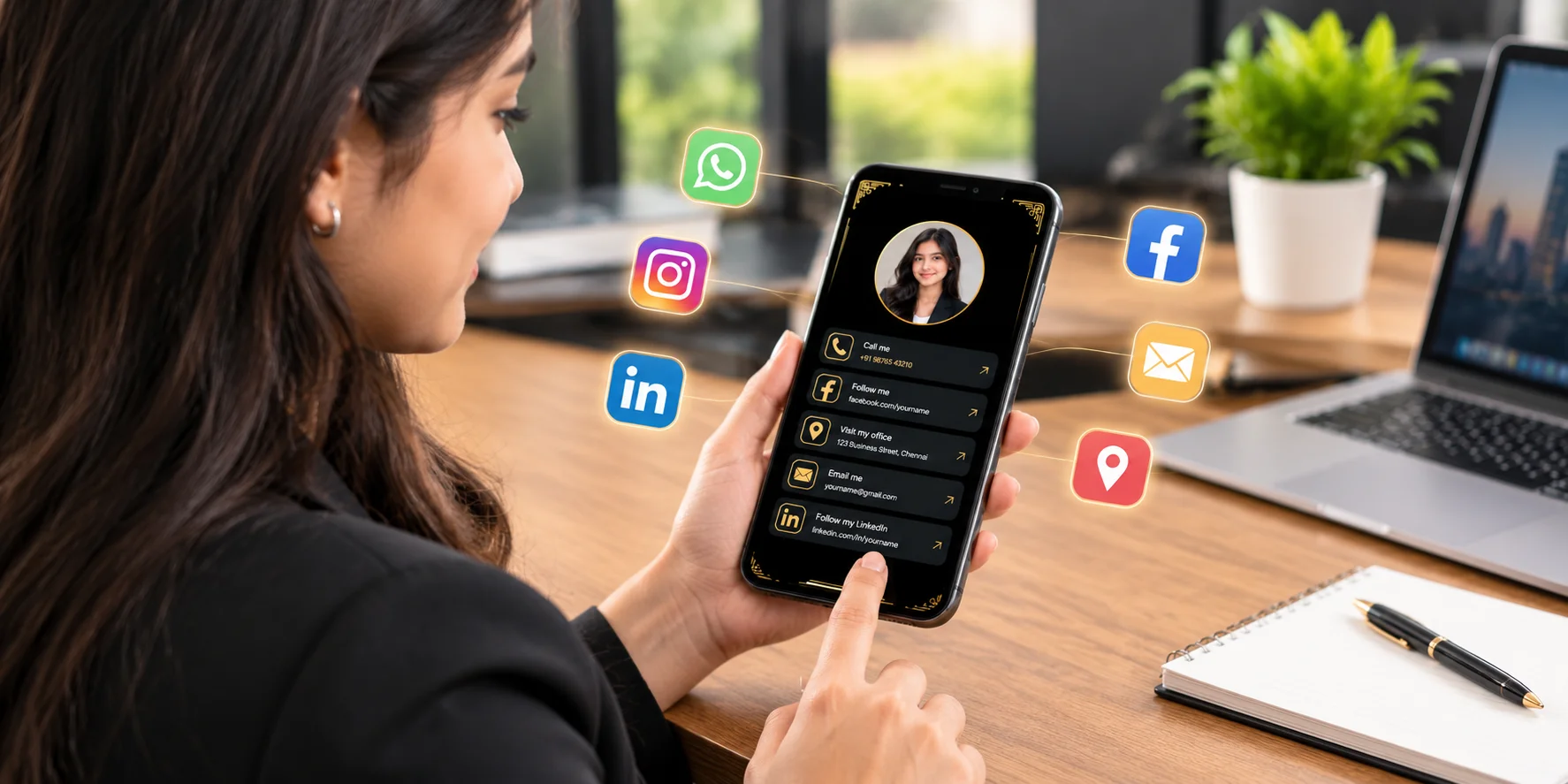
A digital business card can include essential details such as a person’s name, job title, company name, phone number, email address, website, social media profiles, and business location. Depending on the platform used, it can also include a profile photo, company information, portfolio links, videos, appointment links, and other useful resources.
Rather than carrying a stack of printed cards, professionals can simply share their digital card whenever they meet a new contact.
How Do Digital Business Cards Work?
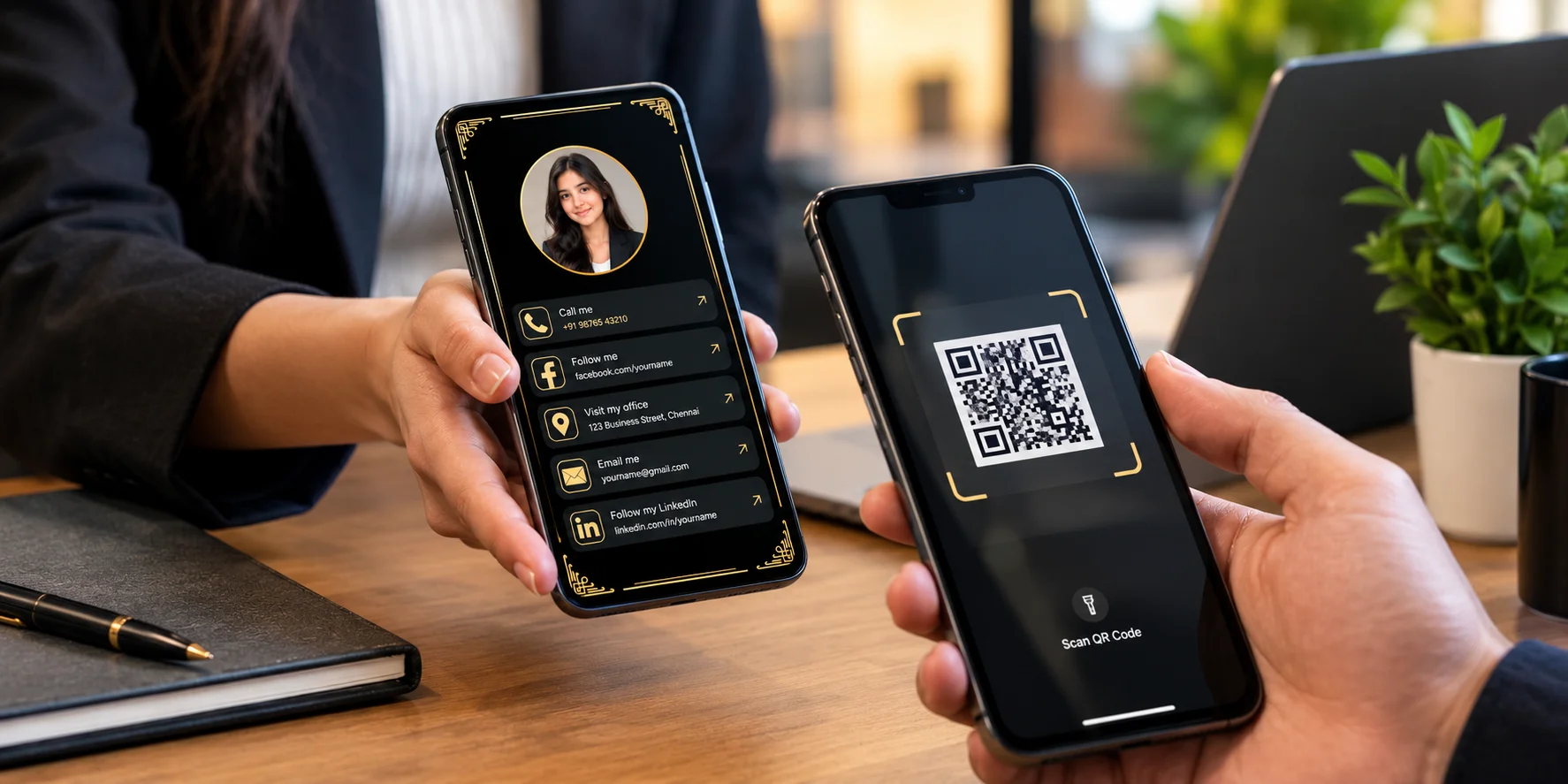
Digital business cards can be shared in several simple ways. A person may send a card through a messaging app, email, or social media, or share a link that opens the card in a web browser.
QR codes are another popular method. A QR code can be displayed on a phone screen, printed on marketing materials, or included in a presentation. When someone scans it, the digital business card opens instantly.
Some digital business cards can also work with NFC technology. By bringing an NFC-enabled device close to a compatible phone, users can share their contact information without manually typing details.
Why Do Digital Business Cards Matter?
Digital business cards matter because professional networking is becoming more connected to digital platforms. People increasingly communicate, research businesses, and save contact information using their smartphones.
A digital card makes it easier to move from a face-to-face introduction to a digital connection. Instead of simply providing a phone number or email address, a professional can share multiple relevant links and details through one digital profile.
For businesses, this can create a more organized and modern way to present their brand and contact information.
Easy to Share and Access
One of the biggest advantages of digital business cards is convenience. A professional does not need to remember to carry physical cards everywhere.
A digital card can be shared whenever needed through a smartphone, QR code, link, or other digital method. The recipient can open the card directly on their device and save the relevant contact information.
This can make networking faster, particularly during meetings, conferences, exhibitions, business events, and client interactions.
Information Can Be Updated
Traditional printed business cards can become outdated when contact information changes. A new phone number, email address, job title, website, or office location may require a new batch of printed cards.
With a digital business card, information can generally be updated on the digital profile. This means people who access the card can see the latest information without requiring a completely new physical card.
This flexibility can be particularly useful for professionals and businesses whose contact details or services change regularly.
More Than Just Contact Information
A traditional business card usually has limited space. A digital business card can provide a much broader professional profile.
Depending on the platform, it may include:
- Phone numbers and email addresses
- Company website
- Social media profiles
- Business location
- Portfolio or product pages
- Appointment or booking links
- Professional photographs
- Videos
- Downloadable contact information
This turns the business card from a simple contact-sharing tool into a digital introduction to a person or business.
A Convenient Approach to Modern Networking
Networking is no longer limited to exchanging physical cards. Professionals can connect through websites, social media, messaging platforms, email, and other digital channels.
Digital business cards fit naturally into this environment. They provide a single place where important professional information can be presented and shared.
For businesses looking to create a consistent digital presence, a well-designed digital business card can also complement their website, social media profiles, and other online marketing efforts.
Conclusion
Digital business cards provide a practical way to share professional information in a connected, digital-first environment. They combine contact details, business information, online links, and other resources into one easily accessible profile.
For professionals and businesses, they can make networking more convenient while providing greater flexibility than traditional printed cards. As business communication continues to move toward digital platforms, digital business cards offer another way to make professional connections easier to share and maintain.
 Previous Post
 Next Post